Styles

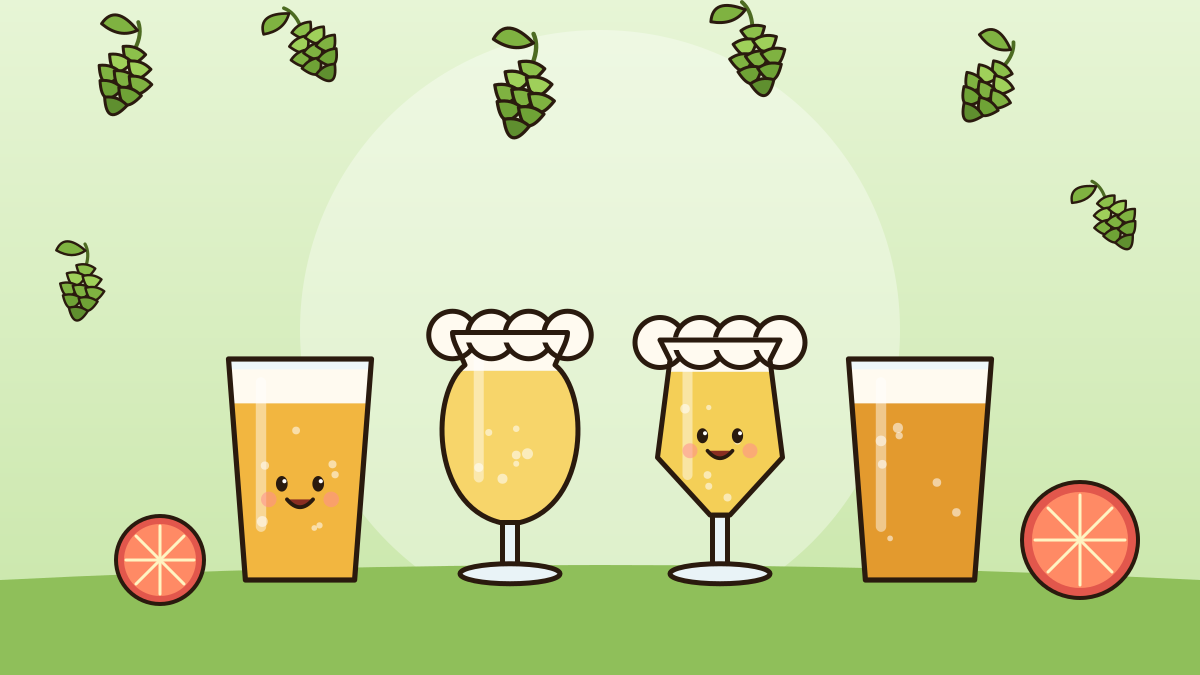
India Pale Ale is the style that powered the craft beer boom, and today it is less a single style than a sprawling family. One brewery's IPA is bracing and piney; the next is soft, cloudy and tastes like mango juice. This guide sorts out the main branches so you can order the one you actually want.
The popular story says IPA was invented so beer could survive the long voyage from Britain to India. The real history is messier. Strongly hopped pale ales already existed in 18th-century England, and hops were valued as a preservative. London brewer George Hodgson's pale ales were early favourites in the East India trade, and later Burton-upon-Trent brewers became famous for the style thanks to their mineral-rich water. The name “India Pale Ale” stuck in the 19th century.
The modern American version grew out of the craft revival of the 1970s to 1990s, when brewers began using bold, citrusy American hop varieties such as Cascade. From there the style kept splitting into new branches.
This is the classic American take. A West Coast IPA is usually bright and clear, golden to light amber, with a lean, dry malt base so the hops take centre stage. Expect pine, resin, grapefruit and orange peel, and a firm bitterness that lingers pleasantly in the finish. Brewers get there with generous hop additions during the boil (which extracts bitterness) plus late and dry-hop additions for aroma.
If you like a clean, snappy beer that resets your palate between bites of food, this is your branch. Many drinkers who say they “don't like IPA” have only met this version at its most aggressive, so it is worth trying a balanced example before writing it off.
Hazy IPAs took off in New England in the 2010s. They are brewed with oats and wheat for a fuller, silkier body, use yeast strains that leave fruity esters behind, and push most of their hops late in the process or into the fermenter. That shift produces huge aromas of tropical fruit, stone fruit and citrus with relatively gentle perceived bitterness. The haze itself comes from proteins, yeast and hop compounds suspended in the beer; it is intentional, not a flaw.
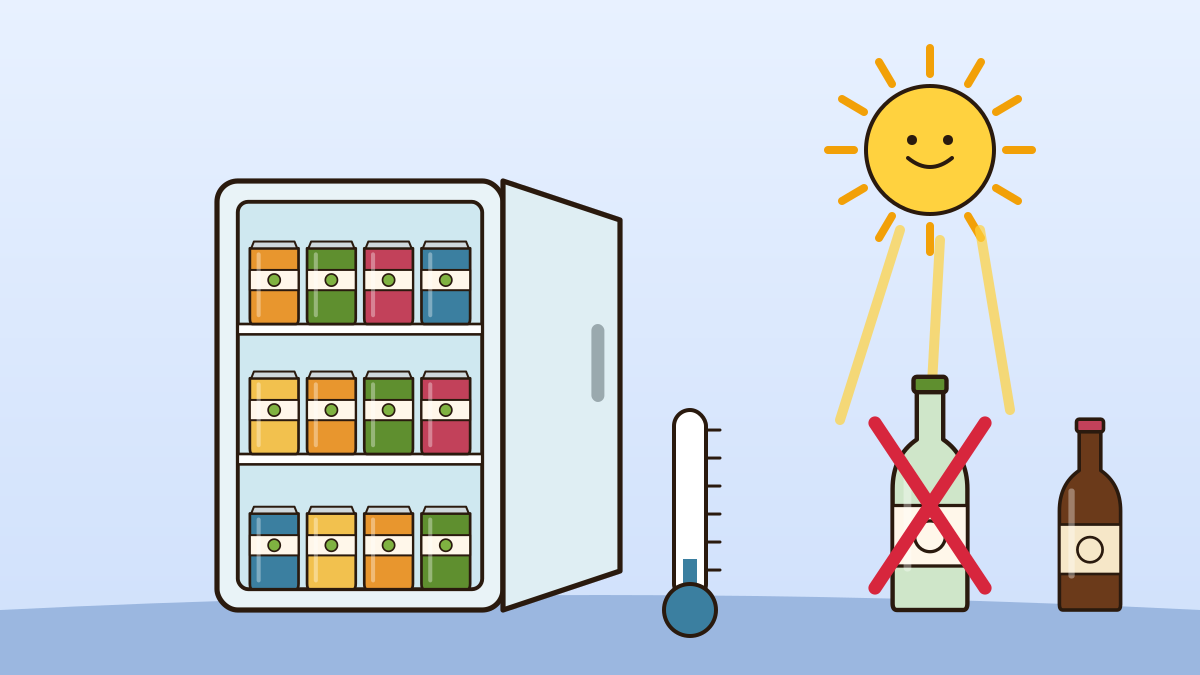
Hazy IPAs are the most fragile of the family. Their aroma fades quickly and exposure to oxygen can turn them dull and sometimes darker, so buy them fresh and keep them cold. See our storage guide for why.
These words describe strength more than flavour. A session IPA keeps the hop aroma but drops the alcohol, usually to around 4–5% ABV, so you can have a pint without it running away from you. A double or imperial IPA ramps up both malt and hops and typically lands around 7.5–10%. Triple IPA is an informal label for even stronger examples, often 10% and up.
Stronger IPAs can taste deceptively smooth because the extra malt balances the bitterness. Check the ABV on the board and adjust your pour size; many taprooms serve doubles in smaller glasses for exactly this reason.
| Type | Look | Flavour focus | Bitterness | Typical ABV |
|---|---|---|---|---|
| West Coast | Clear, gold | Pine, resin, grapefruit | High | 6–7.5% |
| Hazy / NEIPA | Cloudy, pale yellow | Mango, peach, citrus juice | Low to medium | 6–7.5% |
| Session | Clear or hazy | Hop aroma, light body | Medium | 4–5% |
| Double / Imperial | Gold to amber | Intense hops plus malt sweetness | High | 7.5–10% |
| Cold IPA | Brilliantly clear | Crisp, clean, bright hops | Medium-high | 6–7.5% |
| Black IPA | Very dark | Hops with a hint of roast | Medium-high | 6–7.5% |
Cold IPA emerged in the Pacific Northwest around 2018. It is fermented with lager yeast (often at warmer-than-usual lager temperatures) and frequently uses rice or corn to keep the body light, producing a very crisp, clean, bright beer with loud hops. Brut IPA, which appeared in San Francisco around 2017, uses an enzyme to break down residual sugars for a bone-dry, sparkling finish. Black IPA (also called Cascadian dark ale) uses dehusked dark malts to add colour and a hint of roast without much bitterness from the grain. You will also see fruited, milkshake (with lactose) and hazy-West-Coast hybrids.
Start with what you like in other foods and drinks. Enjoy grapefruit, pine and a bitter espresso? Go West Coast. Love fruit juice and soft textures? Try hazy. Want to drink more than one? Choose session.
Whatever you pick, freshness matters more for IPA than for almost any other style. Hop aroma is volatile and fades within weeks to a few months, even when stored cold. Look for a “canned on” or “packaged on” date and, when in doubt, pick the most recent one. Pour into a glass rather than drinking from the can so you get the aroma you paid for; our pouring guide explains the technique.
No. The haze is deliberate, created by oats, wheat, yeast choice and heavy late hopping. A well-made hazy IPA should look cloudy but not chunky.
Hop aroma compounds are volatile and react with oxygen. Over weeks they fade and can give way to papery or dull flavours, especially if the beer is stored warm.
Adding hops after the boil, usually during or after fermentation. It adds aroma and flavour without adding much bitterness.