Styles

Home › Articles › Beer & Food Pairing
Wine gets most of the pairing attention, but beer is arguably the more flexible partner at the table. It brings carbonation to scrub the palate, bitterness to cut fat, roast to echo char, and an enormous range of sweetness and acidity. You do not need a sommelier's vocabulary to pair well. A few simple ideas will get you most of the way.
The single most important rule: delicate with delicate, bold with bold. A light Pilsner will vanish next to a smoky brisket, and an imperial stout will flatten a simple green salad. Before thinking about specific flavours, ask how loud the dish is, then pick a beer at a similar volume.
Intensity comes from several places in beer: alcohol, bitterness, roast, sweetness and strong yeast character. In food it comes from fat, salt, spice, smoke, char and sauce. A grilled chicken breast is quiet; the same chicken in a sticky barbecue glaze is loud.
Complement means finding a shared flavour. The caramel of an amber ale echoes the browned crust of a roast; the coffee notes of a stout mirror a chocolate dessert; the citrus of a wheat beer matches a lemony fish dish.
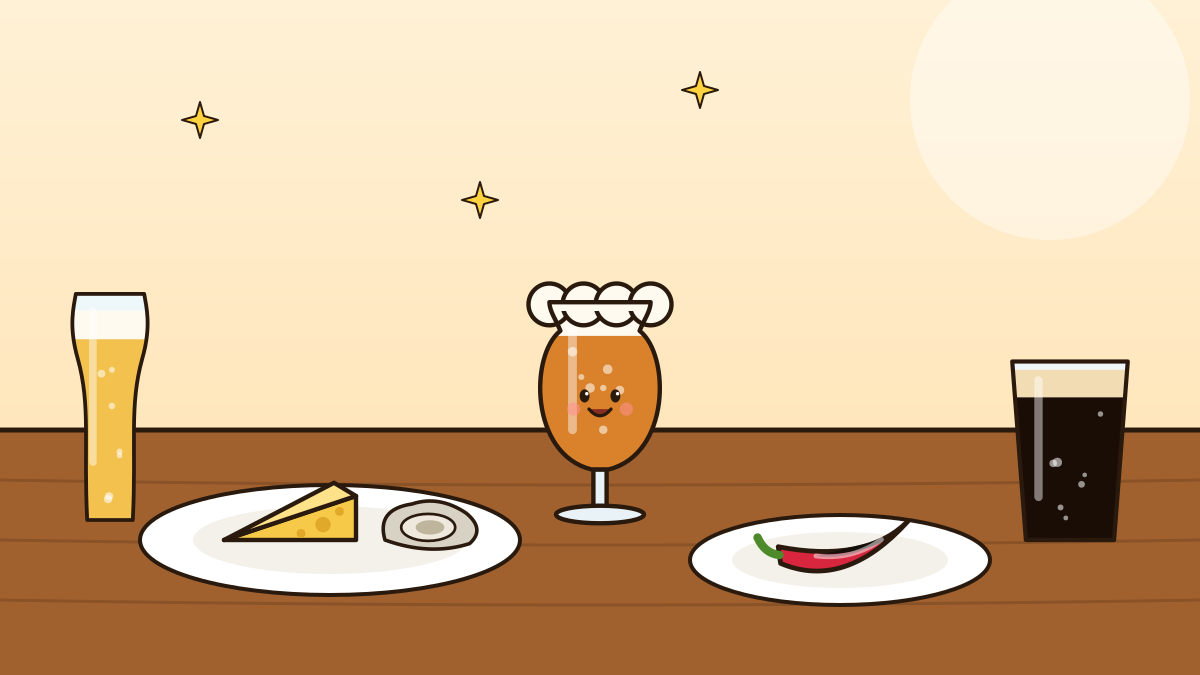
Contrast means pairing opposites that balance each other. The classic example is a dry stout with briny oysters: roast and salt make each other more interesting. A sweet, rich dessert can be balanced by a tart fruit beer.
Cut is where beer shines. Carbonation and bitterness lift fat and salt off your tongue, so every bite tastes like the first. That is why a crisp lager works with fried food, and why a hoppy pale ale is so good with a cheeseburger.
Use these as starting points, then trust your own taste. Pairings are personal, and half the fun is testing a hunch.
| Dish | Try | Why it works |
|---|---|---|
| Green salad, goat cheese | Witbier, Berliner Weisse | Light body and citrus complement fresh greens |
| Fried fish, fries | Pilsner, Kölsch | Carbonation cuts the oil |
| Oysters, shellfish | Dry stout, gose | Roast or salt contrasts brine |
| Cheeseburger | Pale ale, amber ale | Hops cut fat; caramel complements char |
| Spicy curry or tacos | Vienna lager, hefeweizen | Moderate bitterness, gentle malt |
| Roast pork or duck | Belgian dubbel, Flanders red | Dark fruit and acidity balance richness |
| Barbecue, smoked meat | Porter, Märzen | Roast and toast echo smoke |
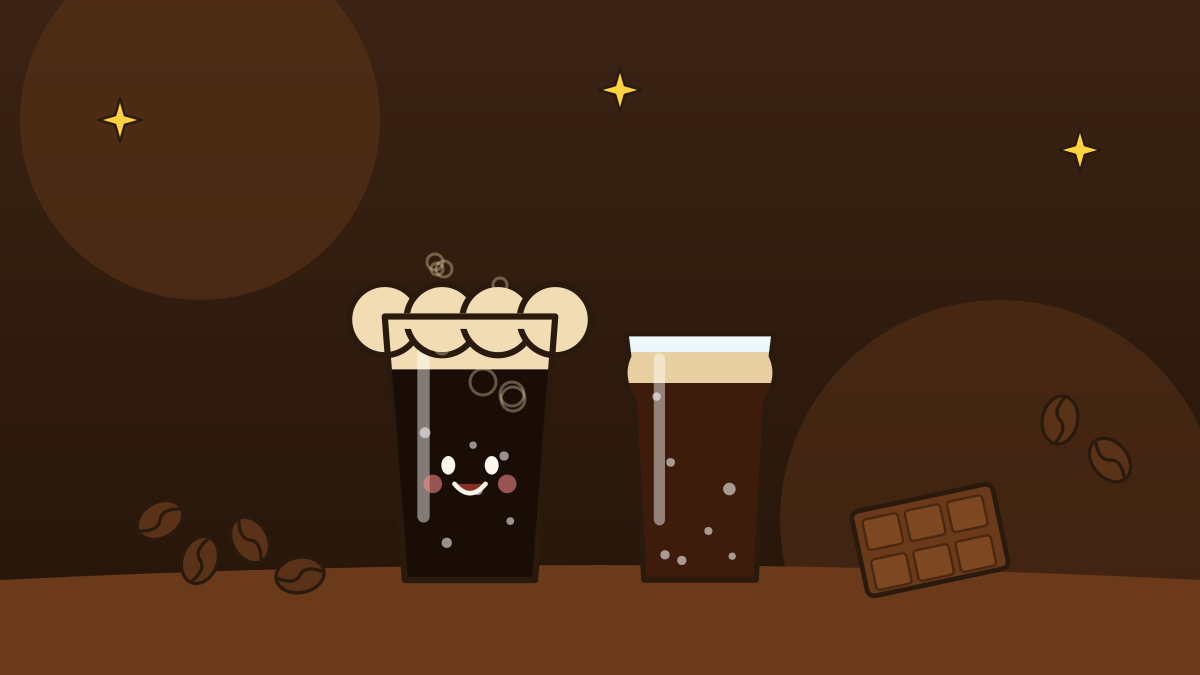
| Chocolate dessert | Imperial stout, kriek | Complement roast or contrast with tart fruit |
Beer and cheese share a farmhouse history, and both are built on fermentation. Grain-based beer often works better with cheese than grape-based wine does, because malt sweetness and carbonation handle salt and fat so well. A few reliable matches: fresh goat cheese with a wheat beer or Berliner Weisse; aged cheddar with an English bitter, pale ale or porter; nutty Alpine cheeses such as Gruyère with a Märzen or Belgian dubbel; washed-rind cheeses with a saison or tripel; and blue cheese with a barleywine or imperial stout, where sweetness tames the tang.
For a simple home tasting, choose three cheeses of rising intensity and three beers of rising intensity, then try every combination. You will quickly see which combos sing and which argue.
Carbonation deserves a special mention. Highly carbonated styles such as saison, Belgian tripel and hefeweizen act like a palate scrubber, which is why they handle rich, creamy and fried dishes so gracefully. Low-carbonation beers, like cask-style bitters, work better with gentler food where you want the malt to linger.
A lot of people reach for an IPA with a curry or hot wings, and some love it. But high bitterness and chili heat tend to amplify each other, and alcohol can make the burn feel stronger too. If you want relief rather than a challenge, choose a beer with some malt sweetness and moderate alcohol: an amber lager, a Vienna lager, a Märzen, a hefeweizen or a milk stout. If you enjoy the fire, a hoppy IPA will certainly deliver more of it.
You do not need a tasting menu. Pick three or four small dishes and one beer for each, plus a couple of wild cards. Serve small pours (about 4 oz per person per beer) so no one ends up overserved, and provide water, bread and a non-alcoholic option for guests who prefer it. Move from lighter to heavier beers and from milder to stronger dishes, and finish with dessert and a dark or fruity beer.
Keep the glasses simple and clean (our glassware guide explains why clean matters), and pour each beer in front of guests so they can smell it before tasting. Ask everyone to try the beer alone, then with the food, then compare. The conversation that follows is the best part.
Colour is not a reliable guide. Think about intensity and the three Cs instead; a pale Belgian tripel can handle rich food better than a light dark lager.
Saison and Pilsner are famously flexible: dry, well carbonated and moderate in bitterness, so they flatter many dishes without overpowering them.
Small tasting pours of about 3–4 oz per beer per person keep the evening sociable and let everyone taste several pairings responsibly.