Styles

Home › Articles › Sour Beer Guide
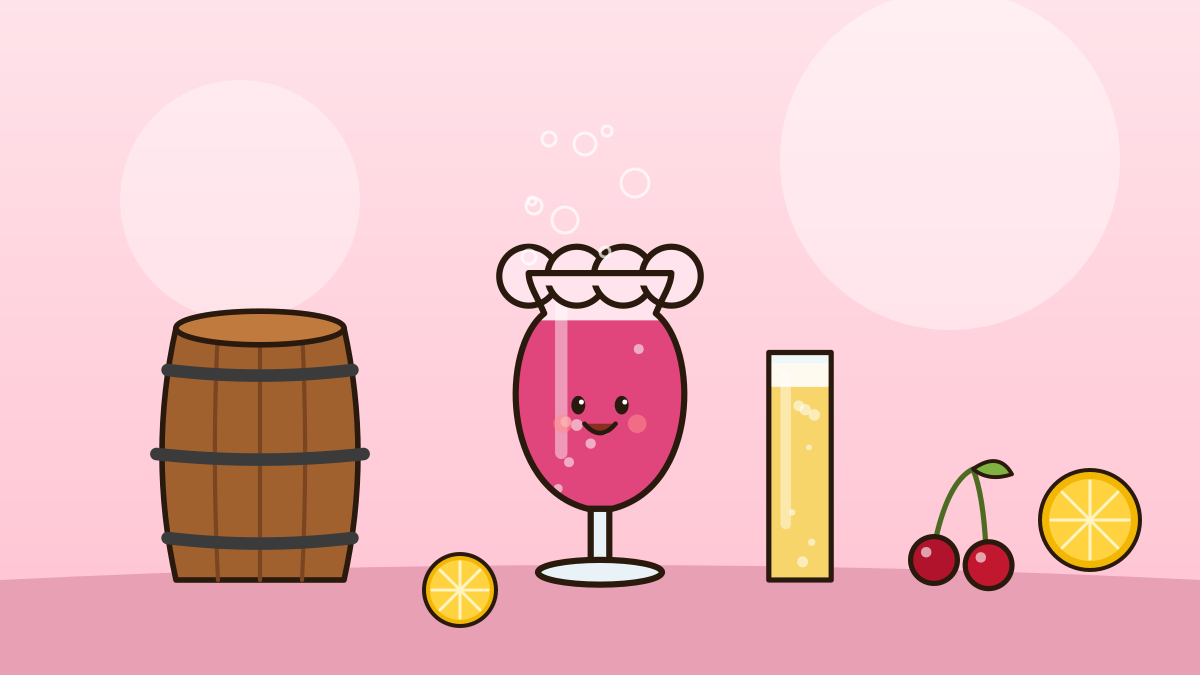
Sour beer surprises people. Expecting a malty pint and getting something closer to lemonade or tart cherry juice can be a shock. But sour beers are some of the oldest styles on earth, and once you know what to expect they can be the most refreshing thing on a tap list. Here is what makes them sour, the main styles, and a gentle way to start.
Ordinary beer yeast turns sugar into alcohol and carbon dioxide. Sour beers add other microbes to the party. Lactobacillus, the same family of bacteria used in yogurt and sauerkraut, produces clean, bright lactic acid. Pediococcus also makes lactic acid, more slowly and with more complexity. Brettanomyces, a wild yeast, is not especially sour on its own but adds earthy, leathery, “barnyard” or tropical funk and dries a beer out over time.
Brewers keep these microbes well away from their regular beers, often using separate equipment, because they are hard to remove once they settle into hoses and wood.
There are two broad ways to make a sour beer. Kettle souring is quick: the brewer lets Lactobacillus sour the unhopped wort for a day or two, then boils it to kill the bacteria before fermenting with normal yeast. The result is clean, tart and predictable, and it is how most fruited sours and modern goses are made.
Mixed fermentation is slow. The beer ferments with a blend of yeast and bacteria, often for months or years in wooden barrels or large vats called foeders. The acidity builds gradually and the flavour becomes layered: fruity, funky, sometimes lightly vinegary. These beers usually cost more because of the time, space and blending skill involved.
Tip: ask for 3–4 oz tasters so you can explore without overdoing it.
Berliner Weisse is a pale, low-alcohol (often around 3% ABV) wheat beer from Berlin: fizzy, lemony and light. It was traditionally served with a shot of raspberry or woodruff syrup to soften the tartness, and modern versions are often fruited instead.
Gose (say “GO-zuh”) originated in the town of Goslar and became a Leipzig speciality. It is a tart wheat beer brewed with salt and coriander, so it tastes a little like a beer version of a salted margarita rim. Modern goses often add fruit.
Lambic is the great wild beer of Belgium, brewed in and around Brussels and the Pajottenland. Hot wort is left overnight in a wide, shallow vessel called a coolship so that microbes from the air can settle in, then aged in wooden barrels. Young lambic is rarely served on its own. Gueuze blends young and old lambics and is bottle-conditioned to a champagne-like sparkle; kriek adds sour cherries and framboise raspberries.
Flanders red and oud bruin come from Flanders in western Belgium. Flanders reds are aged in large oak vessels and taste of red wine, cherry and a gentle vinegar tang, with a little malt sweetness for balance. Oud bruin is browner and maltier, with plum and raisin notes.
Outside Europe, American wild ales and fruited sours cover everything from delicate barrel-aged saisons to thick “smoothie” sours with pounds of fruit purée per barrel.
Begin at the gentle end. A fruited kettle sour or a gose is approachable, clean and low in alcohol. Next, try a Berliner Weisse, then a Flanders red, which has some malt sweetness to cushion the acidity. Save gueuze and funky American wild ales for when you are curious about complexity; they reward slow sipping.
Serve sours cool rather than ice cold, around 45–50°F (7–10°C), in a tulip or stemmed glass that gathers the aroma. Take small sips at first; acidity feels stronger on the first taste and your palate adjusts quickly. If you are tasting several beers, put sours at the end or have water and a plain cracker handy, since acidity can make the next beer taste flat. Our tasting guide covers running order in more detail.
Acidity makes sour beer a natural partner for rich food, the same way a squeeze of lemon lifts fried fish. Try a gose with fish tacos or ceviche, a Berliner Weisse with a summer salad and goat cheese, a Flanders red with duck or pork belly, and a kriek with dark chocolate or cheesecake. Because acidity can clash with very bitter or very spicy dishes, keep those pairings for less tart styles.
Many traditional bottled sours are bottle-conditioned and can be cellared, sometimes for years, in a cool, dark place. Fruited kettle sours are better drunk fresh, while the fruit is still vivid.
No. Brewers sour these beers on purpose with specific microbes. A beer that is unexpectedly sour for its style, however, may be infected.
Usually not. Berliner Weisse and gose are often 3–5% ABV. Some barrel-aged sours and fruited imperial sours can be stronger, so check the menu.
It takes years of barrel aging, careful blending and lots of cellar space, and some bottles lose volume to evaporation along the way.