Styles

Home › Articles › Stouts vs Porters
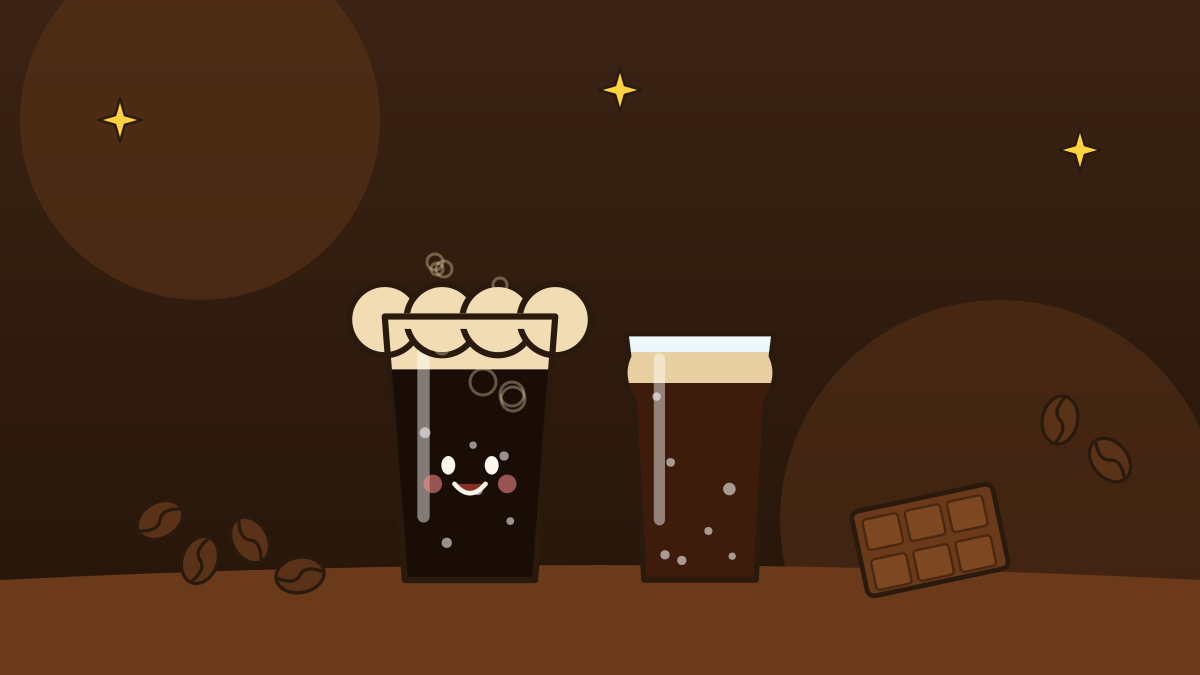
Ask ten bartenders to explain the difference between a stout and a porter and you may get ten answers. That is not because anyone is wrong; it is because the two styles share a family tree so tangled that the line between them has moved many times. Here is how they developed, what the main versions taste like, and how to choose between them.
Porter appeared in London in the 18th century and became hugely popular with the city's working population; the name is widely linked to the street and river porters who drank it. It was brown, roasty and brewed in enormous quantities. Breweries also made stronger versions, and in that era “stout” simply meant strong. A “stout porter” was a heftier porter, and over time the word stout stood on its own.
From there the paths diverged by region. Dublin brewers developed a dry, sharply roasted stout that used roasted unmalted barley. English brewers made sweet and oatmeal stouts. Brewers around the Baltic Sea produced strong, smooth porters, often fermented with lager yeast. Porter faded in Britain during the 20th century and was later revived by craft brewers on both sides of the Atlantic.
Dry (Irish) stout is black, light-bodied and surprisingly low in alcohol, often around 4–4.5% ABV. Its character comes from roasted barley: coffee-like, a little bitter and very dry. Sweet or milk stout adds lactose, a sugar from milk that yeast cannot ferment, leaving a softer, creamier sweetness. People who avoid dairy should check the label, because lactose means the beer is not vegan. Oatmeal stout uses oats for a silky, rounded texture.
Foreign extra stout is a stronger, often fruitier export version. Imperial stout (sometimes “Russian imperial stout”, after the strong beers English brewers exported to the Russian court) is big and intense: typically 8–12% ABV, with layers of dark chocolate, dried fruit and roast. Many modern imperials are aged in spirit barrels or loaded with coffee, vanilla, coconut or other adjuncts, a branch nicknamed “pastry stout.”
English (brown) porter is the gentlest of the dark beers: chocolatey, nutty, lightly roasted and moderate in strength. Robust porter, common among American craft brewers, pushes roast and hops a bit harder. Baltic porter is strong (often 7–9% ABV or more), smooth and rich with notes of dark fruit, licorice and caramel, and is frequently cold-fermented, making it technically a lager.
A loose rule of thumb that works more often than not: porters lean on chocolate and brown malts for a rounder roast, while stouts, especially the dry kind, lean on roasted barley for a sharper, more coffee-like edge. But modern breweries name beers however they like, so read the description as well as the style.
| Beer | Body | Main flavours | Typical ABV | Try it with |
|---|---|---|---|---|
| Dry Irish stout | Light | Coffee, dry roast | 4–4.5% | Oysters, stew |
| Milk stout | Medium-full | Sweet cream, cocoa | 4–6% | Brownies, spicy chili |
| Oatmeal stout | Silky | Chocolate, oats | 4–6% | Breakfast-for-dinner |
| Imperial stout | Full | Dark chocolate, dried fruit | 8–12% | Blue cheese, dessert |
| English porter | Light-medium | Milk chocolate, nuts | 4–5.5% | Roast chicken, cheddar |
| Baltic porter | Medium-full | Dark fruit, caramel, licorice | 7–9%+ | Smoked meats, rye bread |
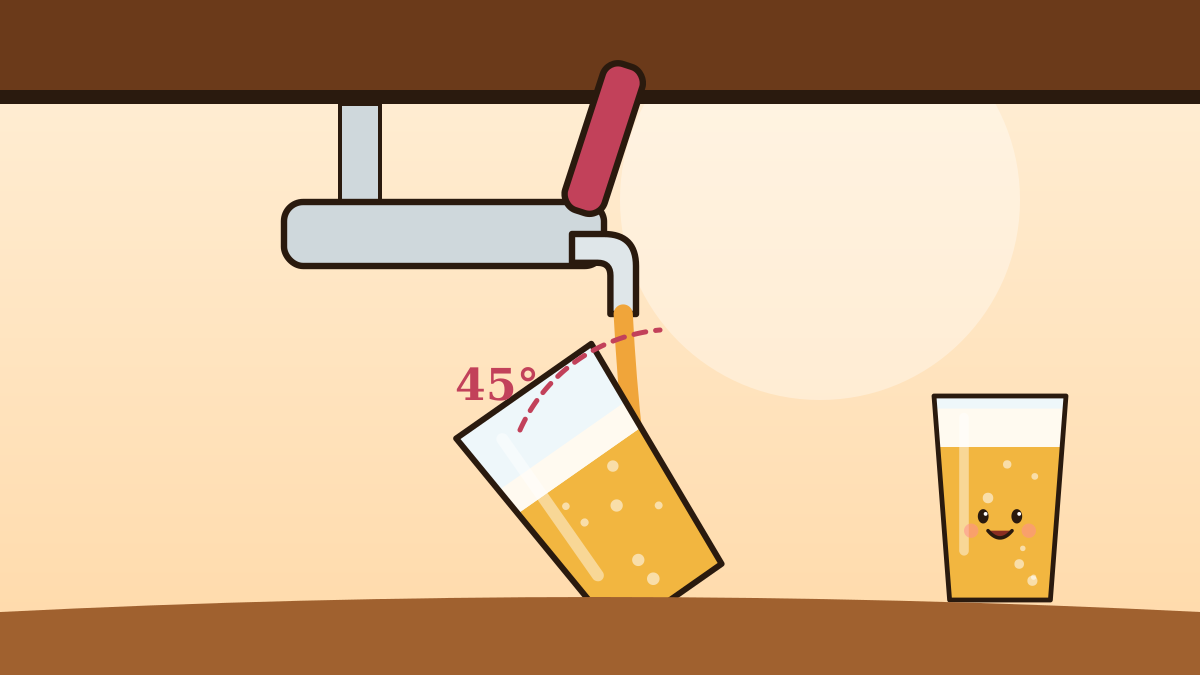
Most beer is carbonated with carbon dioxide. Nitro beers are served with a gas mix that is mostly nitrogen. Nitrogen does not dissolve well in beer, so it forms tiny bubbles that create the famous cascading effect in the glass and a dense, creamy head. The result feels smoother and softer, and because there is less dissolved CO2, it tastes a little less sharp. Nitro cans often contain a small plastic widget that releases gas when the can is opened; they usually ask you to pour hard, straight down. Our pouring guide covers that technique.
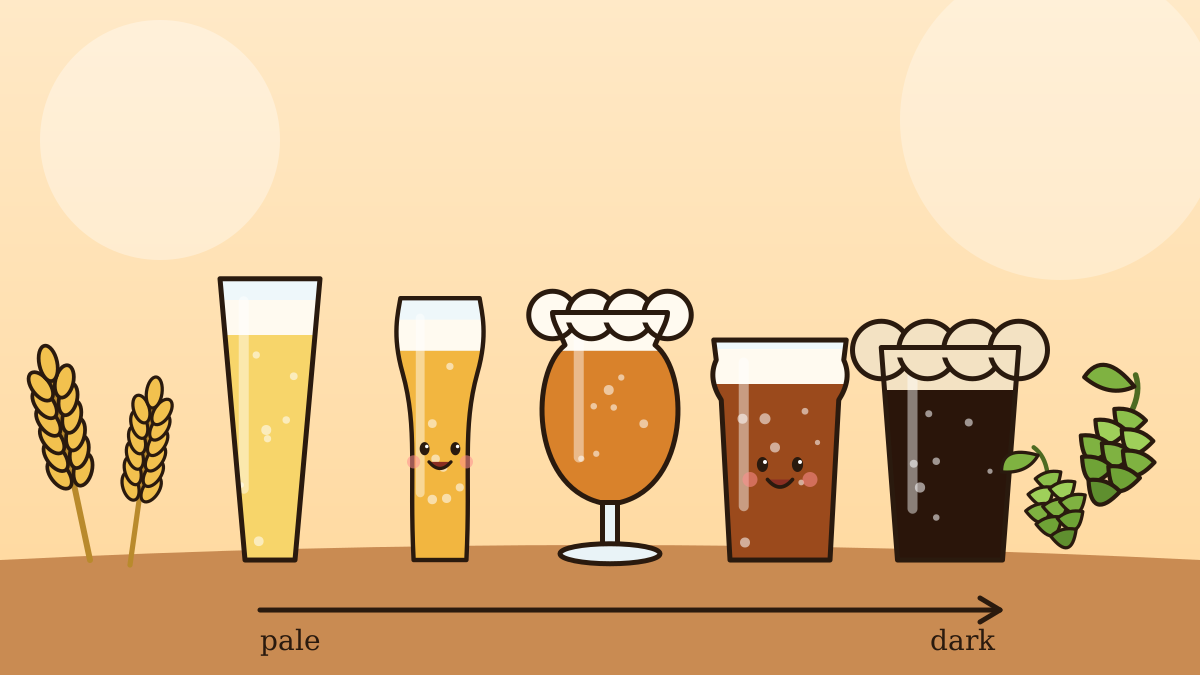
The most common myth about dark beer is that it is thick, filling and strong. Colour comes from a small proportion of roasted grain, which adds flavour but not much body or alcohol. A classic dry stout has fewer calories and less alcohol than many golden IPAs. If you have been avoiding dark beer because you expect a meal in a glass, start with a dry stout or an English porter.
If you want to explore the dark side systematically, try a side-by-side flight: an English porter, a dry stout and an oatmeal stout poured together. Taste them in that order and pay attention to how the roast changes from rounded chocolate to sharp coffee, and how the oats in the last glass change the texture rather than the flavour. It is one of the quickest ways to understand why brewers argue about the names.
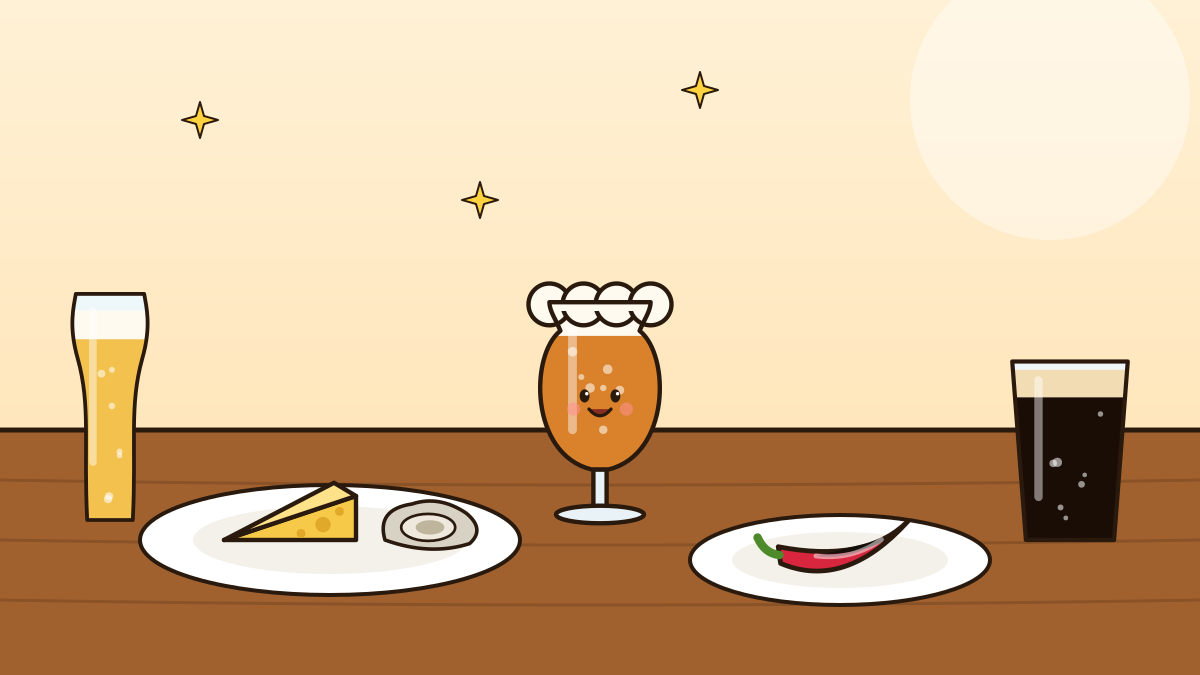
Dark beers show their best side a little warmer than lagers. Around 50–55°F (10–13°C) lets the chocolate and coffee aromas open up; big imperial stouts can go warmer still and are lovely in a snifter or tulip. For food, stouts are famously good with oysters, grilled and smoked meats, and chocolate desserts, while porters flatter barbecue, mushroom dishes and aged cheddar. More ideas are in our pairing guide.
Historically, yes: stout meant strong and 'stout porter' was a strong porter. Today the two overlap so much that brewers often choose the name based on tradition or marketing.
Only milk (sweet) stouts, which contain lactose. Most dry, oatmeal and imperial stouts do not, but always check the label if you avoid dairy.
The tiny nitrogen bubbles are dragged down along the glass walls by the liquid's circulation while bubbles in the middle rise, which creates the cascading look.