Tasting
Home › Articles › Brewery Trip Planning
Visiting breweries is one of the best ways to explore a town. Taprooms tend to be relaxed and welcoming, the beer is as fresh as it gets, and staff are usually happy to talk about what they brew. A little planning turns a random crawl into a great day, and keeps everyone safe. Here is how we suggest approaching it.
Start with a place, then give the trip a loose theme. Many cities have brewery districts where several taprooms sit within a short walk, which is ideal. Rural areas often have brewery trails promoted by regional tourism offices or state brewers guilds, with maps you can follow. A theme keeps the day interesting: lager-focused breweries, farmhouse and wild ale specialists, historic breweries, breweries with food, or simply “places we have never been.”
Look at each brewery's own website and social media for current opening hours, food options, events and whether they welcome children and dogs. Hours change seasonally and many taprooms open only in the afternoon or on certain days, so do not rely on old listings.
The most common mistake is trying to fit in too many stops. Two to four breweries in a day is plenty, with time at each to sit, taste and talk. Map the stops in a sensible loop, allow for travel time and queues, and plan a proper meal early in the day. If a brewery offers a tour, check whether it needs booking in advance.
Decide how everyone gets home before the first pour. Good options include walking in a brewery district, public transport, a taxi or rideshare, a booked brewery tour with a driver, or a designated driver who does not drink at all. A designated driver means zero alcohol, not “only a couple.” Many taprooms offer non-alcoholic drinks and some make their own sodas or NA beer, so your driver has choices too. Never drive after drinking.
Tasting flights are small, but they add up, and craft beer is often stronger than people assume. In the United States a standard drink contains about 0.6 fl oz (14 g) of pure alcohol, which is roughly 12 oz of 5% beer. You can estimate any pour with a simple formula: ounces × ABV ÷ 0.6. Definitions differ in other countries, so use your local guidance.
| Pour | ABV | Standard drinks |
|---|---|---|
| 12 oz can | 5% | 1.0 |
| 16 oz pint | 6.5% | 1.7 |
| 16 oz pint | 8% | 2.1 |
| Four 4 oz tasters | 6% average | 1.6 |
| 10 oz pour | 11% | 1.8 |
Share flights between friends, alternate with water, eat real food, and set a limit before you start. It is fine to leave part of a taster unfinished.
Taproom culture is friendly, and a few habits keep it that way. Ask for a sample if you are unsure; most places will pour a small taste of one or two beers, but do not ask to try the whole board. Order a flight if you want variety. Tip the staff as you would at any bar where that is customary. Respect house rules on children, dogs and outside food, and do not bring in outside drinks. If it is busy, order what you want in one go and clear your table when you leave. And ask questions: “What are you most excited about right now?” often leads to the best beer of the day.
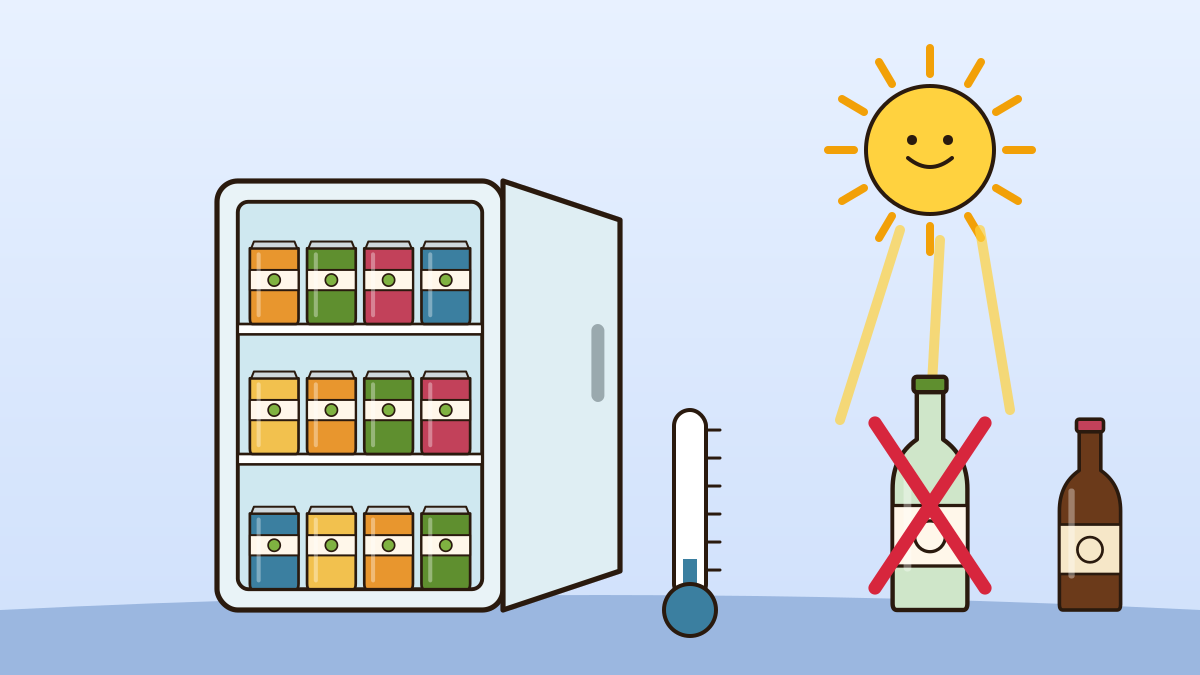
Buying cans or bottles to take home supports the brewery and lets you enjoy the trip later. Many taprooms fill growlers (reusable jugs) or crowlers (large cans sealed on the spot). Keep everything cold with a cooler and ice packs, especially hoppy beers, and out of a hot car. A sealed crowler generally holds up better than a growler, but both are best within days, not weeks, and an opened growler should be finished within a day or so.
If you are flying, check your airline's rules for alcohol in checked bags, pack bottles in padded, sealed bags, and remember carry-on liquid limits. Some states and countries also limit how much alcohol you can bring across borders, so check before a big haul. Our storage guide explains how to keep your souvenirs tasting fresh.
Two to four is a comfortable range. More than that usually means rushing, drinking too much and not enjoying any single visit.
Many taprooms welcome families during the day, but policies vary by brewery and local law. Check each brewery's website before you go.
A growler is a reusable glass or steel jug filled from the tap. A crowler is a large can filled and sealed on the spot, which usually keeps beer fresh a little longer.